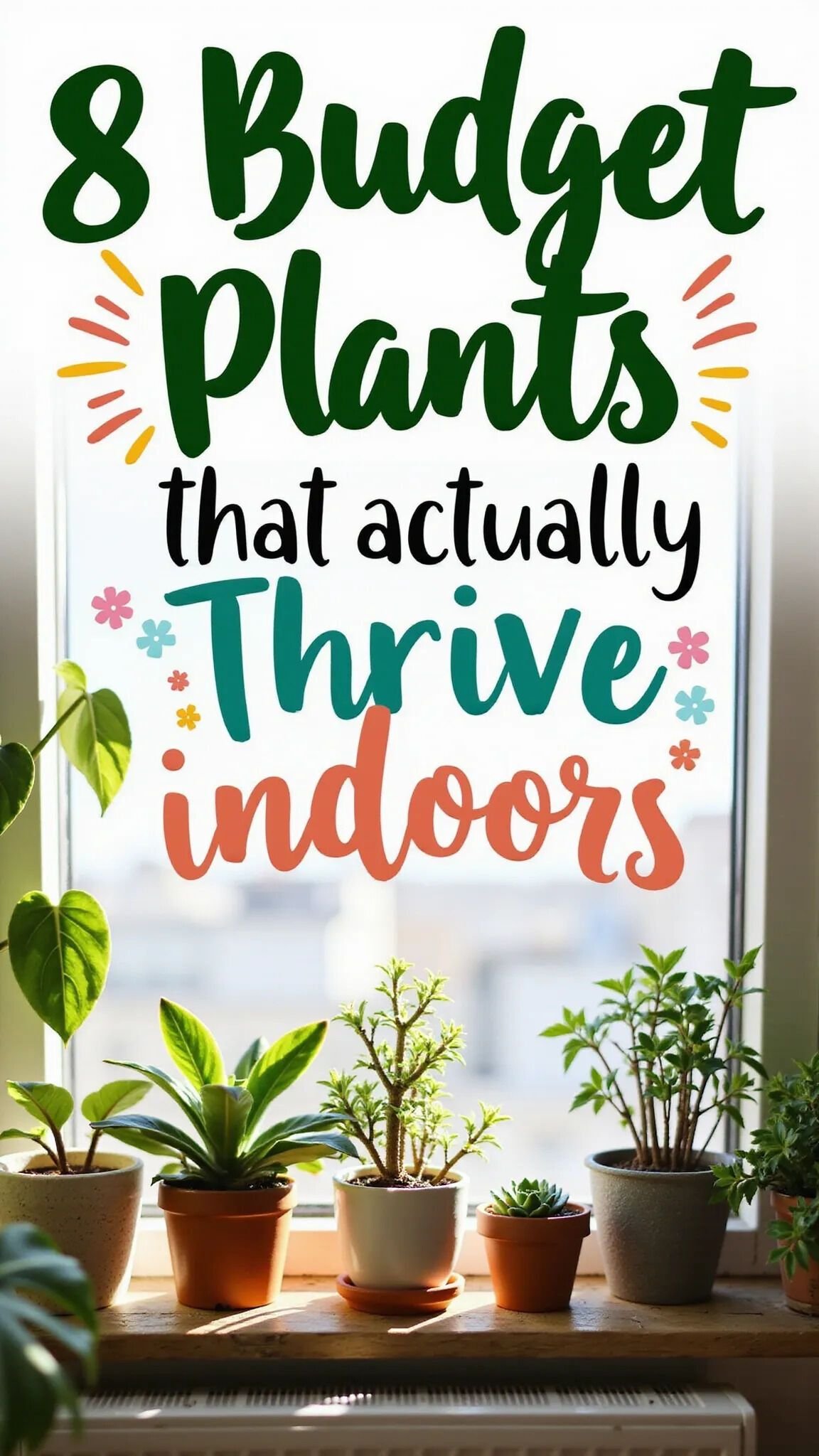
When people say indoor plants are expensive to collect, they usually haven’t discovered the secret to smart plant parenting. Through years of experimenting with different plants, pots, and arrangements, I’ve learned that building a beautiful indoor garden doesn’t have to drain your wallet—it just requires a bit of creativity, observation, and love. Whether you’re new to plants or already nurturing a few green friends, these eight budget-friendly strategies will help you turn your space into a vibrant, thriving sanctuary.
1. Transform Empty Shelves Into a Living Gallery

Empty shelves are like blank canvases waiting to burst with life. Instead of leaving them plain, you can turn them into an indoor jungle that feels curated yet natural. Start by grouping plants with similar care needs together—ferns and calatheas love moisture, while succulents and cacti prefer dry soil. This way, watering becomes simpler, and your plants stay healthier longer.
Add decorative touches between your plants to keep things visually interesting. I love combining greenery with stacked books, candles, or thrifted art pieces for character. If you’re on a tight budget, look around your home for items you already own—old mugs, glass jars, or ceramic bowls can all double as charming planters.
To make the display even more dynamic, play with height and texture. Place trailing plants like pothos or ivy on the top shelf to cascade downward, and mix them with tall species such as snake plants or dracaenas for contrast. The mix of textures and shapes gives the shelf a lush, layered look that feels intentional and stylish without spending much.
2. Create a Budget-Friendly Windowsill Garden

A sunny windowsill is one of the easiest spots to start your plant journey—and it’s completely free real estate! Transform it into a mini garden filled with low-cost, easy-to-grow herbs such as basil, mint, and parsley. These not only freshen the air but also spice up your cooking. Imagine plucking fresh basil leaves while making dinner—it’s satisfying and sustainable.
You don’t need fancy planters for this setup. Repurpose containers you already have: empty glass jars, old mugs, or even tin cans work perfectly. For seed starting, try using clear plastic cups with tiny holes at the bottom for drainage—they act like mini greenhouses, trapping warmth and moisture.
Position your plants where they’ll get about 6–8 hours of sunlight daily. South- or east-facing windows are ideal. To protect your windowsill, place a tray or plate underneath to catch any excess water. And here’s my favorite trick—rotate your plants every few days so they grow evenly and stay compact instead of leaning toward the light. Over time, this simple setup can become your favorite corner in the house—functional, fragrant, and full of life.
3. Turn Your Bathroom Into a Tropical Oasis

Bathrooms might seem like an unusual place for plants, but they’re actually a secret paradise for humidity-loving species. The warm, moist air after a shower mimics the tropical environments that ferns, philodendrons, and monsteras naturally thrive in. By adding a few well-chosen plants, you can turn an ordinary bathroom into a relaxing retreat that feels like a spa.
Start with easy-care varieties such as Boston Ferns, Bird’s Nest Ferns, or Peace Lilies—they love humidity and don’t mind indirect light. Place them near your sink, on the toilet tank, or on floating shelves where they can enjoy the moist air. If your bathroom doesn’t have a window, don’t worry—plants like ZZ Plants or Pothos can still thrive under LED or fluorescent lighting.
For decor, incorporate natural materials like bamboo shelves, woven baskets, and jute rugs. These pair beautifully with greenery and add a calming, organic feel. A few candles or soft string lights can complete the look, creating a warm and tranquil environment. You’ll be amazed how just a few plants can completely transform the atmosphere, making every shower feel like a tropical getaway.
4. Set Up a Green Home Office Corner

If you work or study from home, a little greenery can completely transform your workspace. Research shows that plants boost concentration, creativity, and mood—making them one of the smartest investments you can make in your home office.
Start by finding a bright corner near a window and positioning your desk there. Add a few low-maintenance plants that can handle fluctuating light, such as pothos, spider plants, or peace lilies. You don’t need a lot—just one or two strategically placed plants can instantly lift the space. If your desk feels cluttered, use wall-mounted shelves or hanging planters to keep plants off the surface but still in view.
I also love painting one wall in a soothing, natural shade—like sage green or soft beige—to enhance the biophilic (nature-inspired) vibe. Combine this with small touches like a wooden desk, a ceramic mug holding your pens, or a glass terrarium to tie the look together. The goal is to make your workspace feel both productive and peaceful—a place where creativity flows effortlessly.
5. Start With Low-Maintenance Air Plants and Succulents

For anyone hesitant about plant care, air plants and succulents are the perfect confidence boosters. They’re incredibly forgiving, don’t require daily watering, and can thrive in small spaces. Air plants, for example, don’t even need soil—they absorb moisture and nutrients directly from the air. Just soak them in water for about 15–20 minutes once a week, and they’ll be happy.
Succulents, on the other hand, love sunlight and minimal water. They store moisture in their thick leaves, so they’re perfect for busy people or forgetful waterers. Place them on a sunny windowsill or in your office for a minimalist yet vibrant touch.
Get creative with your displays—air plants look magical in glass terrariums, seashells, or mounted on driftwood. Succulents look great grouped in mismatched pots, repurposed teacups, or even small bowls filled with pebbles. Together, they create a modern, effortless aesthetic that’s easy to maintain and beautiful to look at year-round.
6. Design a Vertical Garden Using Affordable Hanging Planters

If you’re short on space, think vertically! Vertical gardens are perfect for apartment living and small rooms because they draw the eye upward, creating the illusion of more space. You can build one on a budget using simple materials like wooden planks, recycled crates, or even old plastic bottles.
Attach hooks or macramé hangers to suspend your plants at different heights. Try using mason jars or tin cans as planters—just poke small drainage holes in the bottom. For a more polished look, paint the containers in soft neutral tones or earthy hues.
Choose plants that thrive in partial light and don’t grow too heavy, such as pothos, philodendrons, or trailing ivy. If you’re setting up an outdoor vertical wall, opt for weather-resistant materials and self-watering planters. The result is not only space-saving but also visually stunning—a living piece of art that brings freshness and texture to your home.
7. Mix and Match Small Plants for Maximum Impact

You don’t need giant plants to make a statement. Small plants, when combined thoughtfully, can create a lush, layered effect that’s both cozy and stylish. The trick lies in mixing textures and shapes—pair leafy ferns with structured succulents, or combine trailing vines with upright snake plants for visual contrast.
Group plants in odd numbers (three or five) for a natural, balanced look. Use items like books, wooden stands, or decorative boxes to vary height and add depth. Matching your planters to your interior style—such as terracotta for bohemian spaces or white ceramic for modern homes—creates a cohesive aesthetic.
Start with easy, resilient varieties like ZZ plants, spider plants, and pothos. They’re practically indestructible and adapt well to most lighting conditions. When you mix these with a few statement pieces like a fiddle-leaf fig or peace lily, your setup feels designer-level—without the designer price tag.
8. Choose Multi-Benefit Plants for Every Room

Every room in your home can benefit from the right plant. Instead of collecting random species, choose ones that serve multiple purposes—beauty, air purification, and easy care. In the living room, go for large statement plants like monstera or peace lilies—they’re visually stunning and filter indoor toxins.
In the bedroom, choose calming plants like lavender, aloe vera, or snake plants. These help you breathe easier at night and improve sleep quality. For kitchens, herbs like rosemary and thyme double as decor and ingredients. And for bathrooms, humidity-loving species like Boston Ferns or bamboo thrive while softening the overall aesthetic.
This multi-purpose approach saves money and time because every plant you buy adds both function and beauty. You’ll find yourself surrounded by greenery that looks great, feels refreshing, and even improves your wellbeing.
Final Thoughts
Turning your home into a green paradise doesn’t require luxury pots or expensive plants. All it takes is imagination, resourcefulness, and care. Don’t be afraid to experiment—some plants will thrive, others might not, and that’s okay. Over time, you’ll learn what works best in your space. Each small success builds your confidence, and before long, you’ll have a home that feels alive, welcoming, and peaceful—all without breaking the bank.
Would you like me to add Pinterest-style image ideas for each section (e.g., “a photo of a minimalist windowsill herb garden with recycled jars”)? It would make this perfect for a blog post or article layout.