Weeds are a constant battle in every garden, driveway, and landscaped space, stealing sunlight, nutrients, and water from the plants you actually want to grow. Keeping them under control takes the right mix of strategy, consistency, and environmental care. Whether you prefer homemade solutions, reliable store-bought products, or practical tools, there’s always a method that works best for your setup. This guide covers dozens of effective approaches, from natural weed sprays to flame weeding and smothering with cardboard, so you can reclaim your outdoor space safely and efficiently.
Homemade Weed Killers

- Vinegar and Salt Solution
Mix 1 gallon of white vinegar with 1 cup of salt until dissolved, then add 1 tablespoon of dish soap. Pour into a spray bottle and spray directly on weeds. The vinegar burns leaves, salt dehydrates roots, and dish soap helps the solution stick. Apply on sunny, dry days and avoid desirable plants. - Boiling Water
Boil a pot of water and carefully pour it directly on weeds. This kills them instantly by scalding. Works best for small weeds or those between cracks. - Baking Soda Solution
Mix 1 tablespoon of baking soda with 1 quart of water and a drop of dish soap. Spray thoroughly on weeds to raise soil pH and disrupt nutrient absorption. - Corn Gluten Meal
Sprinkle 1–2 pounds evenly over the area and lightly water. This acts as a pre-emergent herbicide, preventing seeds from sprouting. - Salt and Dish Soap Solution
Dissolve 1 cup of salt in 1 gallon of water, add 1 tablespoon of dish soap, and spray on weeds. Salt dries out the plants while soap helps it cling. - Clove Oil Solution
Combine 2 tablespoons of clove oil, 2 cups of water, and 1 teaspoon of dish soap in a spray bottle. Spray directly on leaves; the eugenol in clove oil breaks down plant cells. - Lemon Juice and Salt Solution
Mix 1 cup lemon juice, 1 tablespoon salt, 1 tablespoon dish soap, and 1 quart water. Spray weeds thoroughly; the acidity and salt kill them quickly. - Essential Oils Solution
Add 10 drops each of peppermint and rosemary essential oils to 1 gallon of water. Shake well and spray directly on weeds. These oils break cell walls and deter regrowth. - Garlic and Onion Solution
Blend 1 garlic bulb, 1 onion, and 1 tablespoon of cayenne pepper with 1 quart of water. Strain and add 1 teaspoon of dish soap. Spray on weeds to weaken them through sulfur and capsaicin compounds. - Hydrogen Peroxide Solution
Mix 1 cup of hydrogen peroxide (3%) with 1 quart of water. Spray on leaves to release oxygen that destroys plant cells.
Store-Bought Weed Killers
- Roundup Weed & Grass Killer
Spray on weeds during dry weather to kill from root to leaf. Wear gloves and keep pets away until dry. - Ortho GroundClear Vegetation Killer
Apply to unwanted areas to prevent weed growth for up to a year. Avoid windy days to prevent drift. - Preen Garden Weed Preventer
Spread granules over soil, water lightly to activate, and prevent germination for months. - Spectracide Weed & Grass Killer
Ready-to-use spray for fast results within hours. Best for sidewalks and driveways. - Scotts Turf Builder Weed and Feed
Apply with a spreader on dry grass and water afterward. It feeds lawns while killing weeds. - Garden Safe Weed & Grass Killer
Made from natural vinegar-based ingredients. Spray directly on young weeds for quick results. - Bayer Advanced Weed Killer for Lawns
Targets broadleaf weeds without damaging grass. Apply evenly and water afterward. - BurnOut Weed and Grass Killer
Made with clove oil and citric acid. Works within 24 hours and ideal for small weeds. - Vinyl Weed Block Fabric
Lay over soil to prevent sunlight from reaching seeds. Secure with staples and cover with mulch. - AeroGarden Weed & Pest Control Spray
Organic option safe for indoor plants, herbs, and vegetables. Spray at the first sign of weeds.
Tools for Weed Removal
- Weed Puller
Grip weeds at the base and pull from the roots. Ideal for dandelions and crabgrass. - Hoe
Use the flat blade to slice weeds at soil level. Maintain a good stance to avoid strain. - Hand Trowel
Dig around weeds to loosen roots in tight spaces. - Weed Torch
Use a propane flame to heat weed leaves until they wilt. Keep water nearby for safety. - Garden Fork
Lift compacted soil and pull weeds out from below the surface. - Lawn Edger
Cut clean borders around lawns to remove edge weeds. - Manual Weed Popper
Step on the pedal to pull weeds out by their roots. - Cultivator
Break up topsoil and uproot small weeds in beds. - Weed Barrier Fabric
Lay down over soil before planting to block sunlight and prevent sprouting. - Lawn Sweeper
Attach to a mower to collect weeds and debris while mowing.
Types of Mulch
- Wood Chips: Spread 2–4 inches thick to retain moisture and block light.
- Cedar Mulch: Repels insects and decomposes slowly.
- Pine Straw: Perfect for acid-loving plants.
- Shredded Leaves: Adds nutrients and breaks down quickly.
- Straw: Maintains temperature and prevents soil erosion.
- Rubber Mulch: Long-lasting and low maintenance.
- Compost: Enriches soil while suppressing weeds.
- Hay: Organic and moisture-retaining, but ensure it’s weed-free.
- Bark Mulch: Durable and attractive for decorative areas.
- Cocoa Bean Shell Mulch: Nutrient-rich and aromatic; avoid near pets.
- Newspaper Mulching: Lay layers under mulch to block sunlight naturally.
Flame Weeding Steps
- Select a propane weeder suited to your space.
- Wear gloves, goggles, and long sleeves.
- Work on dry, calm days.
- Clear debris to prevent fire spread.
- Connect and test the torch safely.
- Hold the flame 1–2 inches from weeds.
- Sweep over leaves for 2–3 seconds.
- Avoid overheating the soil.
- Check for regrowth after 48 hours.
- Turn off the torch and cool before storing.
Smothering with Cardboard
- Use plain, tape-free cardboard.
- Cut or trim weeds first.
- Water the soil to help it settle.
- Lay cardboard with overlapping edges.
- Cut small openings for plants.
- Weigh down with mulch or stones.
- Add a thick mulch layer on top.
- Check for gaps regularly.
- Leave in place for several weeks to decompose.
- Remove remnants once weeds are gone.
Weed and Insect Killer Mixture
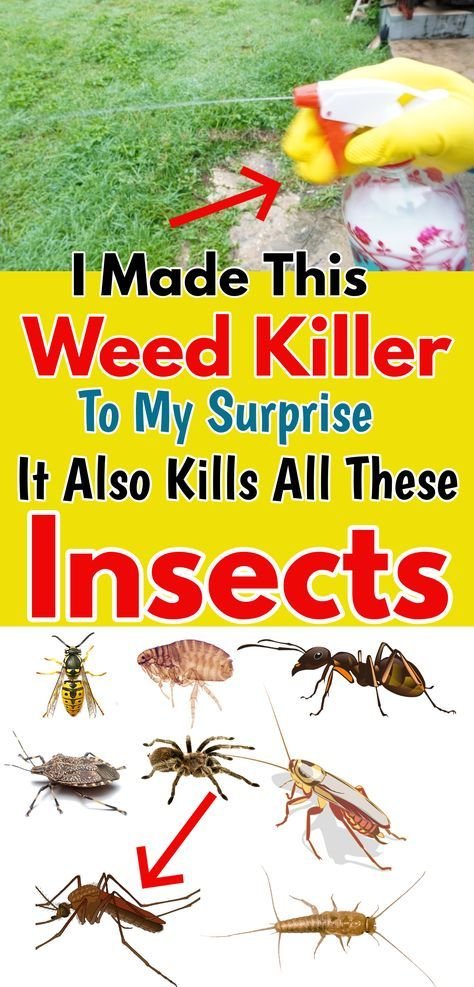
Mix 1 cup vinegar (5%), 2 tablespoons salt, 2 tablespoons dish soap, and 2 tablespoons rubbing alcohol in a spray bottle. Shake well until the salt dissolves. Spray directly on weeds and insects. It kills ants, cockroaches, and small bugs within seconds and dries weeds fast. Use outdoors only and keep away from plants you want to keep. Safe for pets when dry.
Dish Soap-Based Solutions
- Dish Soap + Water: Mix 1 tablespoon soap in 1 quart water and spray.
- Dish Soap + Vinegar + Salt: Combine 1 tablespoon soap, 1 cup vinegar, ¼ cup salt, 1 quart water.
- Dish Soap + Lemon Juice: Add 1 tablespoon soap, ½ cup lemon juice, 1 quart water.
- Dish Soap + Baking Soda: Mix 1 tablespoon soap, 1 tablespoon baking soda, 1 quart water.
- Dish Soap + Epsom Salt: Mix 2 tablespoons soap, 2 tablespoons Epsom salt, 1 quart water.
- Dish Soap + Rubbing Alcohol: Mix 2 tablespoons soap, ¼ cup rubbing alcohol, 1 quart water.
- Dish Soap + Cornstarch: Mix 1 tablespoon soap, 1 tablespoon cornstarch, 1 quart water.
- Dish Soap + Garlic: Mix 1 tablespoon soap, 2 minced garlic cloves, 1 quart water.
- Dish Soap + Vinegar + Clove Oil: Mix 1 tablespoon soap, 1 cup vinegar, 5 drops clove oil, 1 quart water.
- Dish Soap + Ammonia: Mix 1 tablespoon soap, ¼ cup ammonia, 1 quart water.
Citrus Oil Spray
Add 10–15 drops of lemon or orange essential oil to 2 cups water and 1 teaspoon dish soap. Shake and spray on weeds under direct sunlight. The d-limonene compound breaks down leaf coatings, causing dehydration. Reapply every few days until weeds die.
Conclusion
Managing weeds successfully means using multiple approaches—natural sprays, mulching, smothering, and mechanical tools. Each method has unique benefits, and combining them reduces the need for harsh chemicals. With patience, consistency, and the right techniques, you can maintain a healthy, thriving, and weed-free garden throughout the seasons.