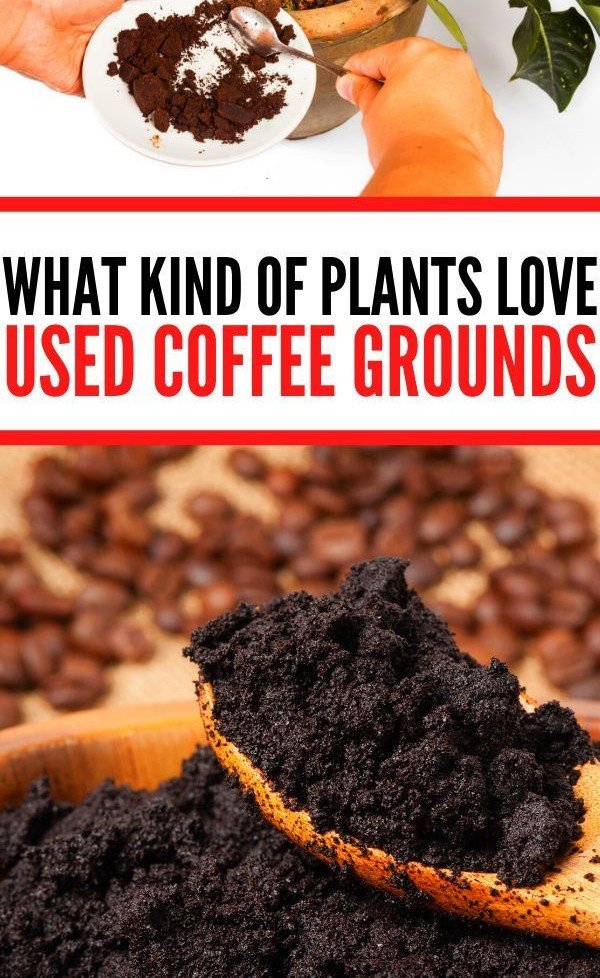
Most gardeners today prefer nourishing their plants naturally instead of relying on harsh chemicals that damage the soil. It might sound a bit unusual, but common kitchen scraps can actually make excellent fertilizers or compost for keeping your lawn lush and green. One of the best (and easiest) options? Coffee grounds.
Coffee grounds are an inexpensive, eco-friendly way to enrich your soil with essential nutrients. They’re packed with protein, nitrogen, fatty acids, and beneficial oils—all of which contribute to healthier plants and more vibrant blooms. In fact, adding coffee grounds to your garden can make flowers like hydrangeas appear noticeably brighter and richer in color.
Let’s look at the many ways you can use coffee grounds to improve your soil and plant health.
1. Coffee Grounds as Compost
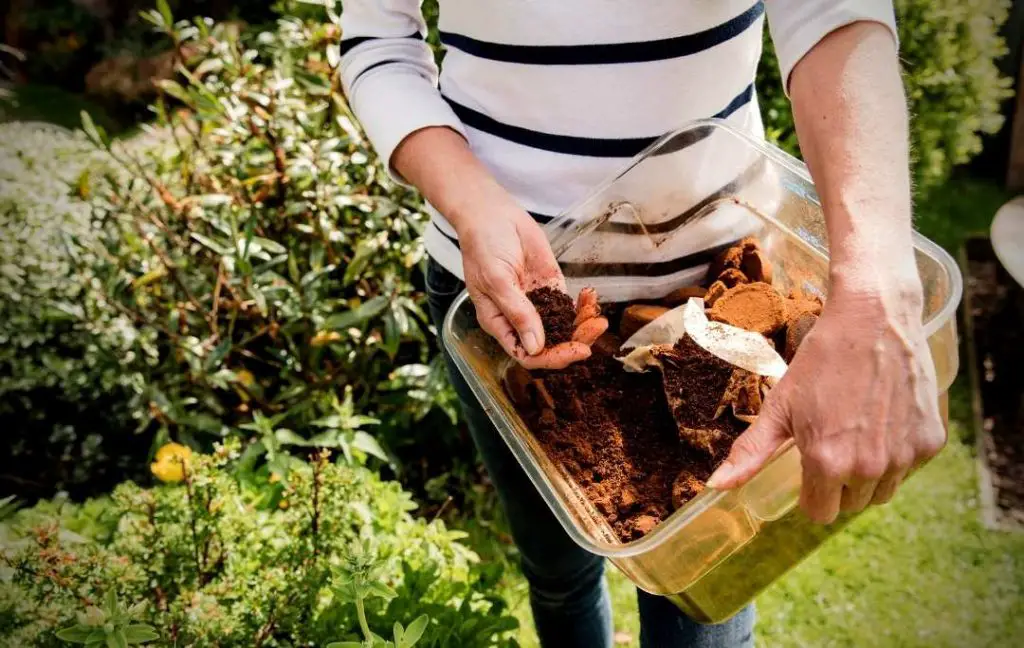
Instead of tossing used coffee grounds in the trash, add them to your compost pile. They’re a great source of nitrogen and help balance the mix of materials in your compost.
Composting works best with the right ratio of green materials (like grass clippings and vegetable peels, which are high in nitrogen) and brown materials (like dry leaves, paper, eggshells, and cardboard, which are high in carbon). A good mix is roughly one-third grass, one-third leaves, and one-third coffee grounds. This blend breaks down beautifully into nutrient-rich compost that your garden soil will love.
2. Coffee Grounds as Fertilizer
If you want a natural, budget-friendly fertilizer, coffee grounds can do the job perfectly. Start by mixing used grounds with topsoil to create a nutrient-rich potting blend.
Sprinkle this mixture over your garden bed—but keep the layer thin, no more than half an inch. A thicker layer may block water from reaching the soil. Use a fork or rake to gently mix it into the top layer.
You can also add coffee grounds directly to the soil, but begin slowly. Try one tablespoon a week and watch how your plants respond. If they seem to thrive, you can gradually increase the amount. Coffee grounds supply nitrogen, phosphorus, and potassium, all easily absorbed by plants.
For an extra boost, combine coffee grounds with crushed eggshells to create a powerful organic fertilizer that promotes strong, healthy growth.
3. Coffee Grounds as Mulch
Using coffee grounds as mulch is another creative way to improve soil quality, but it requires care. Because coffee grounds are fine and compact, using them alone can sometimes block water and air from reaching the roots. Additionally, caffeine can inhibit the growth of some plants.
To avoid this, spread only a thin layer—about half an inch—of coffee grounds on the soil, then cover it with another organic mulch such as straw or wood chips. The added nitrogen in the coffee will help raise soil temperature slightly, encouraging seed germination and root growth.
4. Coffee Grounds as a Natural Pesticide
Pests can wreak havoc on your garden, and commercial pesticides often contain harmful chemicals. Coffee grounds, however, naturally repel unwanted visitors like ants, slugs, and snails.
Simply sprinkle a small amount around your plants to keep pests away. It’s a safe, chemical-free way to protect your garden while maintaining healthy soil.
5. Coffee Grounds for Preventing Fungal Diseases
Fungal infections like fusarium and sclerotinia can seriously damage your plants. When coffee grounds decompose in the soil, they promote beneficial microorganisms that help suppress these diseases. They also reduce harmful bacteria such as E. coli and Staphylococcus, keeping your garden healthier overall.
6. Coffee Grounds as a Soil Amendment
Coffee grounds can also be used to enrich poor soil. Spread a thin layer (no more than half an inch) of moist grounds over the surface, then mix in a nitrogen-based fertilizer. The extra nitrogen speeds up decomposition and makes nutrients more available to your plants.
Always mix the grounds thoroughly with a shovel or pitchfork. Leaving them on top of the soil can prevent water from penetrating properly.
When Not to Use Coffee Grounds
Caffeine can be toxic to pets, especially cats. If you have animals that roam your garden, use coffee grounds sparingly and always mix them into compost instead of spreading them directly. This keeps your pets safe while still benefiting your plants.
Plants That Love Coffee Grounds
Many plants thrive with the extra nitrogen and organic matter that coffee grounds provide. They also help improve soil structure and drainage, attract earthworms, and deter harmful pests like slugs.
Plants that respond especially well include:
- Tomatoes and corn
- Spinach and leafy greens
- Roses, camellias, rhododendrons, and azaleas
Mix coffee grounds evenly with compost or topsoil for best results. This simple, natural addition can increase vegetable yield, improve flower color, and keep your garden thriving year-round.
By recycling kitchen waste like coffee grounds, you’re not just saving money—you’re enriching your soil, supporting plant health, and keeping your food chemical-free. It’s a small change that makes a big difference in creating a greener, healthier garden.