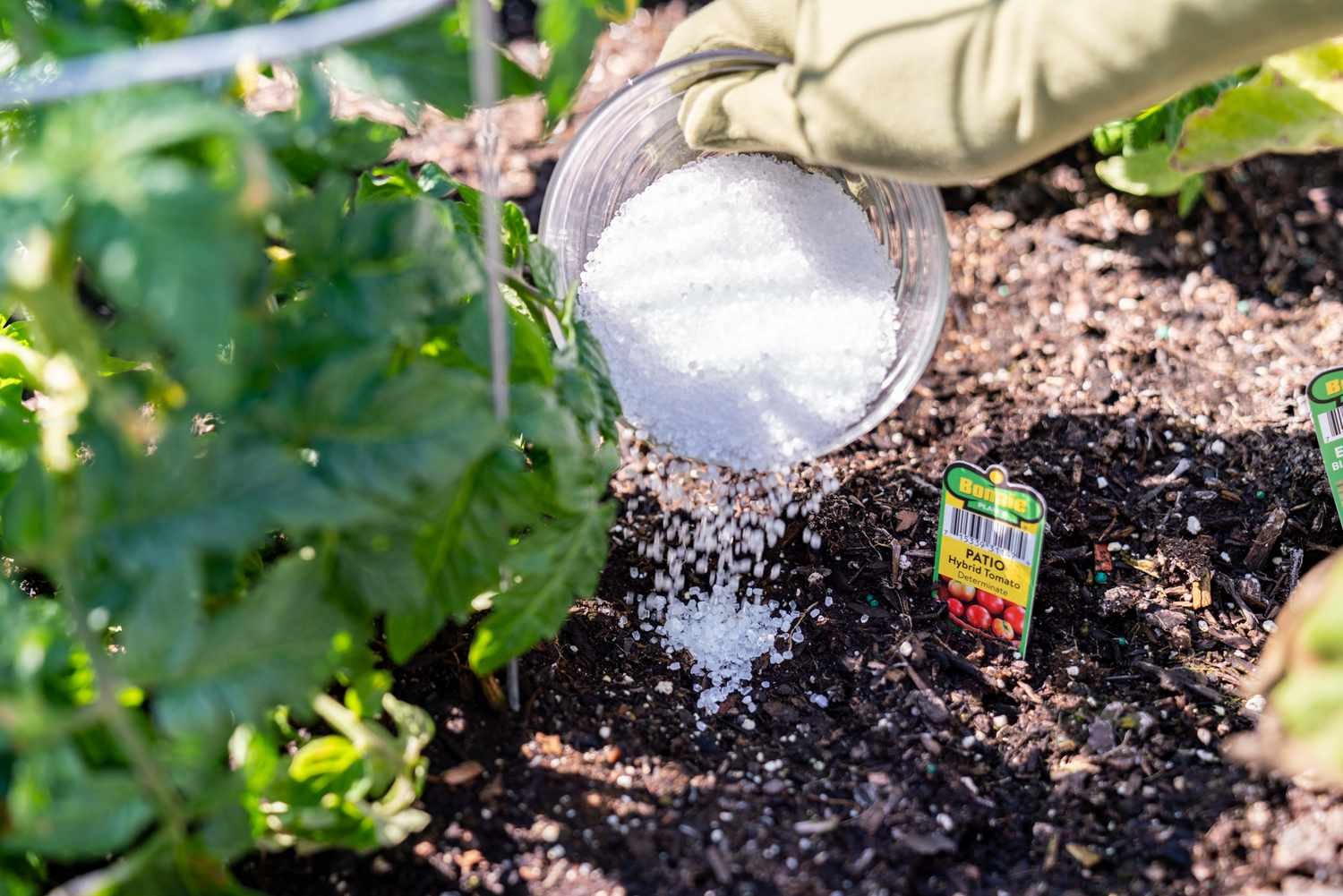
You’ve probably heard that Epsom salt can work wonders in the garden—reviving plants, encouraging lush growth, boosting blooms, and deepening that beautiful green color.
But what is Epsom salt, really? And how does it make such a difference to your garden’s health?
In this guide, we’ll walk through everything you need to know about using Epsom salt in gardening—from what it’s made of and how it works, to exactly when and how to use it for the best results.
Whether your soil is low in magnesium or you simply want your plants to thrive, a little knowledge about this natural mineral can completely change the way you garden.
Let’s dive in.
What Exactly Is Epsom Salt?
Epsom salt—scientifically known as magnesium sulfate—is a naturally occurring mineral compound made up of magnesium, sulfur, and oxygen.
It’s long been valued for both its healing properties in humans and its growth-enhancing effects on plants.
Unlike table salt (which is mostly sodium chloride), Epsom salt contains two essential nutrients that plants rely on:
- Magnesium: Vital for chlorophyll production—the pigment that allows plants to absorb sunlight and turn it into energy. It also helps activate the enzymes responsible for healthy growth.
- Sulfur: A key player in building vitamins, amino acids, and proteins. It supports photosynthesis and helps other nutrients—like nitrogen and phosphorus—work more efficiently.
In gardens, Epsom salt is often used to correct magnesium-deficient soil, especially in regions with heavy rainfall where nutrients easily wash away.
When Should You Use Epsom Salt?
While Epsom salt is incredibly useful, it’s not something you should apply blindly. Like any nutrient, too much magnesium can be just as problematic as too little.
So before you grab the bag, it’s important to know when your plants actually need it.
Spotting Magnesium Deficiency in Plants
Here are some telltale signs your garden might be low on magnesium:
- Yellowing Between Leaf Veins (Interveinal Chlorosis): Leaves turn yellow between the veins, but the veins themselves stay green.
- Leaf Curling: The leaves may curl upward or twist.
- Smaller Yields: You might notice fewer or smaller flowers and fruits.
These symptoms usually start on the lower leaves first and gradually move upward as the deficiency worsens.
The Best Times to Apply Epsom Salt
Timing matters. Using Epsom salt strategically during certain growth stages can make a huge difference in plant vitality and yield.
1. Seeding Stage
Epsom salt can help seeds germinate faster and stronger by reinforcing cell structure and improving nutrient absorption.
- Mix a little Epsom salt into the soil before planting or soak seeds in a mild Epsom salt solution for a few hours before sowing.
2. Flowering Stage
When plants start blooming, magnesium becomes crucial for producing healthy flowers and fruits.
- A foliar spray or soil application at this stage boosts chlorophyll levels, giving plants more energy and encouraging fuller blooms.
3. Fruit-Setting Stage
For fruiting plants like tomatoes and peppers, Epsom salt supports the development of large, flavorful produce.
- Add it during early fruit formation to strengthen fruiting bodies and improve taste and size.
How to Use Epsom Salt on Plants
There are three main ways to apply Epsom salt, depending on what your plants need and how quickly you want results.
1. Soil Application
This is the simplest method—and perfect for long-term magnesium support.
How to do it:
- Use about 1 tablespoon of Epsom salt per gallon of soil (adjust slightly based on your plant’s needs).
- Mix it evenly into new garden beds or sprinkle around existing plants.
- Water thoroughly afterward to help the salt dissolve and absorb into the roots.
- Repeat once a month during the growing season.
2. Foliar Spray
When plants need a quick magnesium boost, a foliar spray works best because the nutrients are absorbed directly through the leaves.
How to make it:
- Dissolve 2 tablespoons of Epsom salt in 1 gallon of water.
- Use a spray bottle or garden sprayer to mist the tops and undersides of leaves.
- Apply in the early morning or late afternoon to avoid leaf burn.
- Repeat every two weeks, or as needed, until symptoms fade.
3. Seed Soak
Soaking seeds before planting gives them a head start by softening the seed coat and providing early access to magnesium.
How to do it:
- Mix 1 tablespoon of Epsom salt in 1 gallon of water until dissolved.
- Soak seeds for 12 to 24 hours (no longer).
- Plant directly after soaking—no rinsing needed.
When Epsom Salt Makes the Biggest Difference
Certain plants respond exceptionally well to magnesium sulfate, especially those that are heavy feeders or prone to deficiencies.
Here are a few examples:
- Tomatoes & Peppers: Often show yellowing between veins due to magnesium deficiency. Regular Epsom salt treatments promote greener leaves, stronger stems, and better-tasting fruit.
- Roses: Love Epsom salt—it encourages bigger blooms and deeper color. It’s especially helpful in alkaline soils where nutrient uptake is slower.
- Potatoes & Carrots: Root crops benefit from Epsom salt because it supports stronger root development and higher yields.
- Lawns: If your grass looks dull or yellowish, magnesium can help restore its rich green color. Epsom salt is particularly effective after heat or drought stress.
- Gardenias & Azaleas: These acid-loving plants benefit from both the magnesium and sulfur in Epsom salt, which slightly lowers pH and enhances nutrient absorption.
A Quick Word of Caution
Epsom salt is a wonderful supplement—but it’s not a cure-all. Overuse can upset the balance of other nutrients in your soil.
Before adding it regularly, consider getting a soil test to confirm whether your plants actually need extra magnesium.
Used thoughtfully, Epsom salt can be one of your garden’s best allies—helping your plants grow stronger, look healthier, and produce more vibrant flowers and fruits.