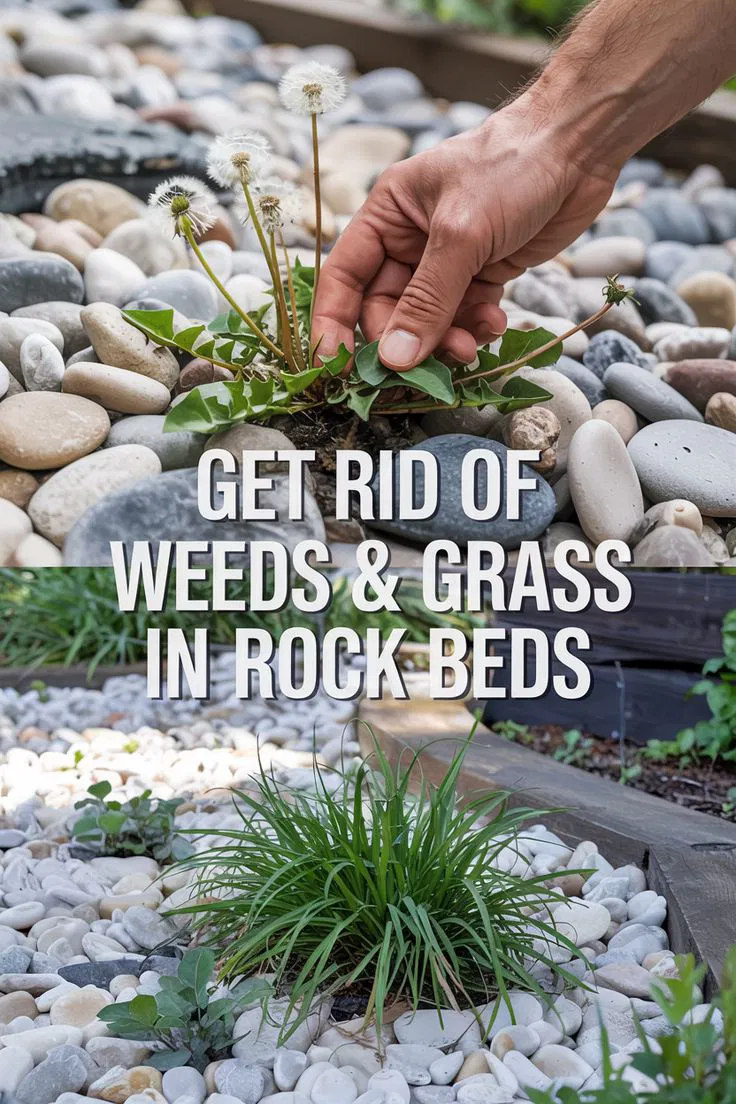
Rock beds might look clean, modern, and low-maintenance—but there’s one silent invader that refuses to stay away: weeds.
Give them a sliver of space and they’ll creep through gravel, wrap around edging, and spoil that polished look you worked so hard to create.
Of course, you could reach for a chemical weed killer—but most are expensive, tough on nearby plants, and harsh on the environment. So if you’d rather handle weeds the simple, natural way, here’s a DIY solution that’s cheap, easy, and surprisingly powerful.
This homemade weed killer relies on just three common ingredients: vinegar, salt, and dish soap. Mix them correctly, apply them wisely, and you’ll have a rock bed that stays clean for good.
Why This DIY Weed Killer Works Perfectly in Rock Beds
Most plants struggle to grow in gravel, but weeds? They thrive anywhere. Luckily, you don’t need industrial chemicals to take them down. Here’s why this homemade mix works especially well for rock landscapes:
- There’s little risk of harming nearby plants since rock beds are usually separate.
- Rocks retain heat, speeding up the drying process once you spray.
- You don’t have to worry about soil health, unlike in garden beds or planters.
What You’ll Need
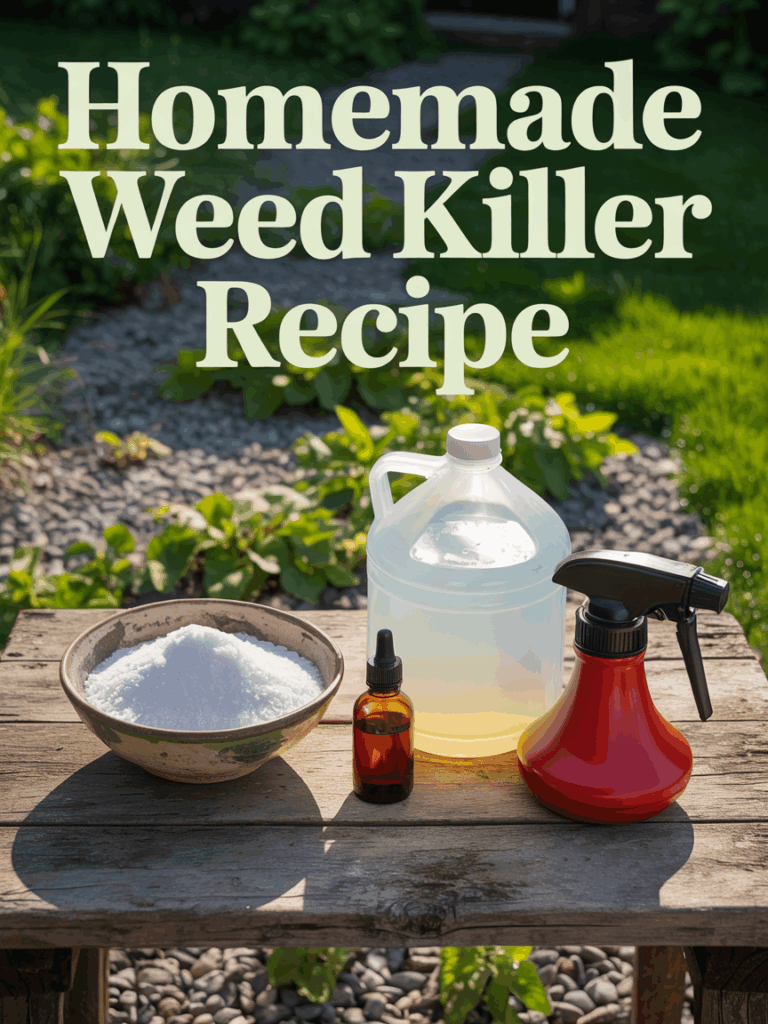
This mix is straightforward, inexpensive, and surprisingly effective—especially on a hot, sunny day.
🧴 Ingredients:
- 1 gallon of white vinegar (5% strength or horticultural grade for stubborn weeds)
- 2 cups of salt
- ¼ cup of dish soap (any brand works fine, as long as it’s biodegradable)
🛠️ Optional Extras:
- A few drops of citrus oil to enhance acidity and scent
- A garden sprayer for even coverage across larger areas
How the Ingredients Do Their Job
Vinegar (Acetic Acid):
Vinegar breaks down plant tissue, drying out the weed from top to bottom. Use regular white vinegar for smaller weeds or stronger horticultural vinegar (around 20%) for thick-rooted growth.
Salt:
Salt dehydrates weeds and prevents them from absorbing moisture. Since you’re working in gravel rather than soil, you don’t have to worry much about salt buildup—making it ideal for this use.
Dish Soap:
This helps the solution cling to the weeds instead of sliding off the rocks. It’s the “glue” that keeps everything in place long enough to work.
How to Mix It
- Dissolve the salt: In a bucket, combine vinegar and salt. Stir until fully dissolved.
- Add the soap: Gently mix in the dish soap—don’t stir too hard or you’ll get bubbles.
- Transfer to a sprayer: Pour the mix into a spray bottle or pump sprayer for easy application.
When & How to Apply
✅ Choose a sunny day:
The hotter, the better—ideally above 70°F (21°C). The heat helps the vinegar evaporate and dry the weeds quickly.
✅ Target only the weeds:
Spray directly onto leaves and stems. No need to soak the rocks—focus on green growth only.
✅ Reapply if needed:
Tough, deep-rooted weeds like crabgrass might need a second or third round. Re-spray after a few days if they start to recover.
Safety Tips and Precautions
Even natural formulas can be potent, so take care:
- Avoid spraying near plants you want to keep—use cardboard or plastic as a shield.
- Wear gloves and protective glasses, especially when treating large areas.
- Don’t repeatedly soak the same spot—too much salt can linger and affect future planting.
What to Expect
- After a few hours: Weeds begin to wilt and lose color.
- After a couple of days: Most weeds will be completely dry and brown.
- After a week: The bed should look clear; treat any regrowth early for best results.
Frequently Asked Questions
1. What’s the most effective long-term method?
Start by killing existing weeds with this vinegar-salt-soap mix, then refresh your gravel or add landscape fabric to block new growth. Combined, these steps prevent weeds from coming back.
2. Does vinegar and salt really kill weeds permanently?
Yes—if you fully coat the foliage and follow up once or twice. The vinegar dries the plant out, while salt blocks water absorption in the roots.
3. How fast does it work?
On hot days, you’ll see wilting within 2–4 hours and full browning in 24–48 hours. Deep-rooted weeds may take longer.
4. Is it safe for pets and kids?
It’s much safer than chemical sprays, but vinegar can still irritate skin and salt isn’t pet-friendly when wet. Keep children and animals away until the rocks are dry.
5. Will vinegar harm my stones?
No—5% vinegar won’t damage natural rock or gravel. Any white residue is just salt and will rinse off easily.
6. Can I use Epsom or rock salt instead?
Stick with regular table salt. Epsom salt doesn’t dry out plants the same way, and rock salt dissolves too slowly.
7. How often should I apply it?
Only when new weeds appear. For most areas, a single thorough treatment plus occasional touch-ups will keep things spotless.
8. Does it kill moss or algae too?
Yes—just add a bit more soap and scrub once the growth dies off.
9. What’s the ideal temperature for spraying?
Anything above 70°F (21°C) with plenty of sun. Heat boosts evaporation and speeds up results.
10. Should I rinse the rocks afterward?
Not necessary, but if your rock bed borders a garden or lawn, rinse edges lightly to prevent salt drift.
11. What if it rains soon after I spray?
Rain within the first hour can weaken the formula. Wait for at least 24 hours of clear weather before spraying.
12. Can I mix vinegar and bleach for extra strength?
Never. Combining the two releases toxic chlorine gas.
13. Will the salt affect future planting?
Salt tends to stay put. If you plan to garden in that area later, go light on the salt and flush the spot with water before planting.
14. How do I store leftover solution?
Pour it into a clearly labeled, airtight container. It stays potent for up to six months—just shake well before reuse.
15. Can I use castile soap instead of dish soap?
Yes. Any biodegradable liquid soap that helps the mix stick to leaves will do the job.
16. Will it kill grass creeping in from the lawn?
Absolutely. Just protect your lawn with cardboard while spraying to prevent overspray.
Pro Tips for Keeping Rock Beds Weed-Free
- Spray early in the morning on a sunny, dry day.
- Shield nearby plants with cardboard.
- Add a splash of orange or lemon oil for extra power (and a fresh scent).
- Focus on cracks and edges—those spots attract the most weeds.
The Bottom Line
Rock beds are meant to be easy to care for—but weeds always find a way. With this simple homemade spray, you can stop them naturally, safely, and for good. It’s fast, effective, and oddly satisfying to watch a weed shrivel up after one quick spritz.
Keep a labeled spray bottle handy and use it whenever you spot new growth. A few minutes of upkeep now and then will keep your rock beds crisp, clean, and completely weed-free.