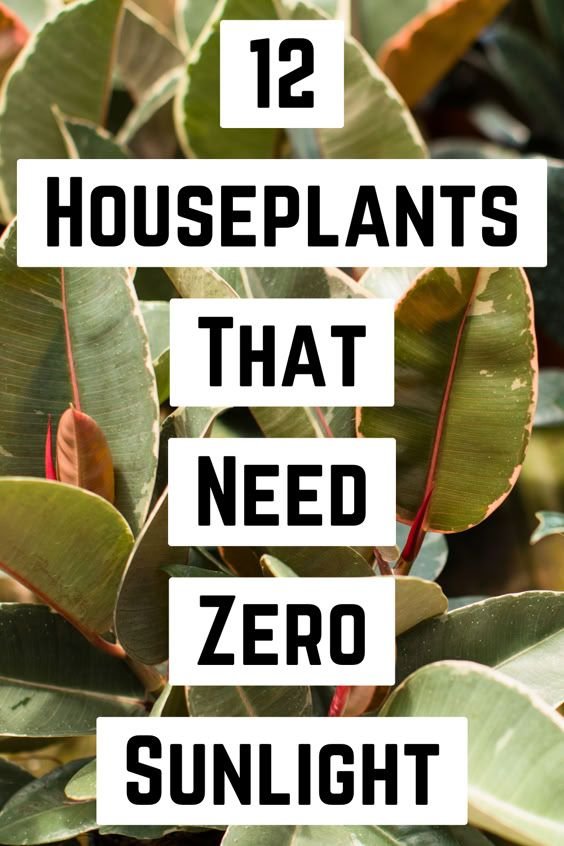
Most plant lovers today live in compact apartments with little to no open space or direct sunlight. But that doesn’t have to stop you from growing lush, beautiful plants indoors. While sunlight is essential for most plants to flourish, many large indoor species can survive and even thrive in low-light spaces. Plants like the Swiss cheese plant, Dragon tree, Rubber plant, and Snake plant are great examples.
This article explains how these plants adapt to low light, how to care for them, and which tall indoor plants are perfect for dim homes.
What Is Considered Low Light?
Even the shadiest garden spot outdoors has more light than most indoor corners. In simple terms:
- Bright light means sunlight that reaches your plant directly and without obstruction.
- Medium light is indirect sunlight, often filtered through a curtain or reflected off walls.
- Low light means areas that never receive direct sunlight, usually several feet from a window.
Low-light plants don’t prefer darkness—they simply tolerate it. They grow slower and may not reach their full potential, but they remain healthy and decorative with the right care.
How Plants Survive in Low Light
Plants naturally adapt to their native habitats. Many low-light species like ferns and alocasia come from forests where tall trees block most sunlight. These plants evolved to make the most of indirect or dappled light.
Large leaves with broad surfaces help such plants absorb more light, even in dim areas. For instance, Monstera Deliciosa has wide leaves with holes that allow it to collect more light without tearing during strong winds or rain. This makes them perfectly suited for shaded interiors.
Can You Grow Plants in Windowless Rooms?
Yes, you can. Even in rooms without windows, plants can grow if they receive artificial light. While plants under sunlight tend to grow faster and stronger, artificial options like LED, fluorescent, or incandescent lights can substitute natural light effectively.
Best Large Houseplants for Low-Light Homes
1. Snake Plant

Also known as Mother-in-Law’s tongue, this is one of the toughest and most low-maintenance indoor plants. It survives neglect, stores water in its thick leaves, and needs very little watering. Snake plants are also praised by NASA for their air-purifying abilities.
2. Swiss Cheese Plant

With its stunning cut-out leaves, the Monstera instantly elevates any room. It can grow 6–8 feet tall indoors and enjoys bright, indirect light. Avoid direct sunlight and keep the soil slightly moist. Regular misting and balanced fertilizer during the growing season help it thrive.
3. Dragon Tree

A popular choice for homes and offices, the Dracaena marginata or Dragon tree can grow up to 6 feet tall indoors. Its slender, colorful leaves add texture to corners. It prefers well-draining soil, occasional watering, and protection from cold drafts or air conditioners.
4. Corn Plant

The Dracaena fragrans, also known as the Corn plant or Mass cane, has long, glossy leaves resembling corn stalks. It grows best in indirect light, needs moderate moisture, and can reach 6 feet indoors. Keep it away from pets, as it can be toxic if eaten.
5. Ponytail Palm

This striking plant has a bulbous trunk that stores water, making it almost impossible to kill from neglect. It prefers dry soil and minimal watering. In low light, it can reach up to 6 feet, but with more light, it may grow up to 20 feet tall over time.
6. Dieffenbachia

Commonly called Dumb Cane, this plant features large variegated leaves that brighten dark rooms. It grows up to 5 feet tall and dislikes direct sunlight. Keep the soil slightly moist and avoid cold drafts. Its sap can be toxic, so place it away from pets and children.
7. Yucca Cane

The Yucca is an easy-care option that tolerates low light but prefers occasional bright exposure. It can reach 8 feet tall and likes soil that dries out between waterings. Avoid overwatering to prevent root rot.
8. Weeping Fig

A member of the Ficus family, the Weeping fig looks like a miniature indoor tree. It features woody stems and pointed leaves. It adapts well to indoor lighting but prefers stable environments without sudden temperature changes.
9. African Mask Plant

Also called Alocasia, this plant is known for its bold, arrow-shaped leaves with bright veins. It adds drama and structure to interiors and grows 2–5 feet tall. It loves humidity and moist soil, making it perfect for bathrooms or kitchens.
10. Rubber Plant

A timeless favorite, the Rubber plant (Ficus elastica) grows tall and elegant, reaching up to 10 feet indoors. It has thick, glossy leaves that come in deep green, burgundy, or variegated patterns. Mature plants handle low light better than young ones, so it’s best to start with a grown specimen.
11. Lady’s Palm

Rhapis excelsa, or Lady’s Palm, grows slowly into a small tree with fan-shaped fronds. It’s drought-tolerant and prefers occasional watering. Trim during the growing season to maintain its shape and keep the topsoil slightly dry between waterings.
12. Parlor Palm

The Parlor palm (Chamaedorea elegans) is one of the most classic low-light houseplants, popular since Victorian times. Its tropical fronds add life to any corner, growing up to 4–5 feet tall. It prefers warm, humid air and well-drained soil. Misting helps maintain humidity.
Care Tips for Low-Light Plants
1. Avoid overwatering.
In dim light, water evaporates slowly, so the soil stays wet longer. Always test the soil before watering. Wet soil can cause root rot, fungus, and yellow leaves.
2. Provide occasional light exposure.
Even shade-loving plants benefit from indirect light or artificial grow lights, especially during winter when sunlight is weaker.
3. Limit fertilizer use.
Plants growing in low light have slower metabolism and don’t need frequent feeding. Use a mild, balanced fertilizer only during active growing months. Overfertilizing can damage roots and cause salt buildup.